
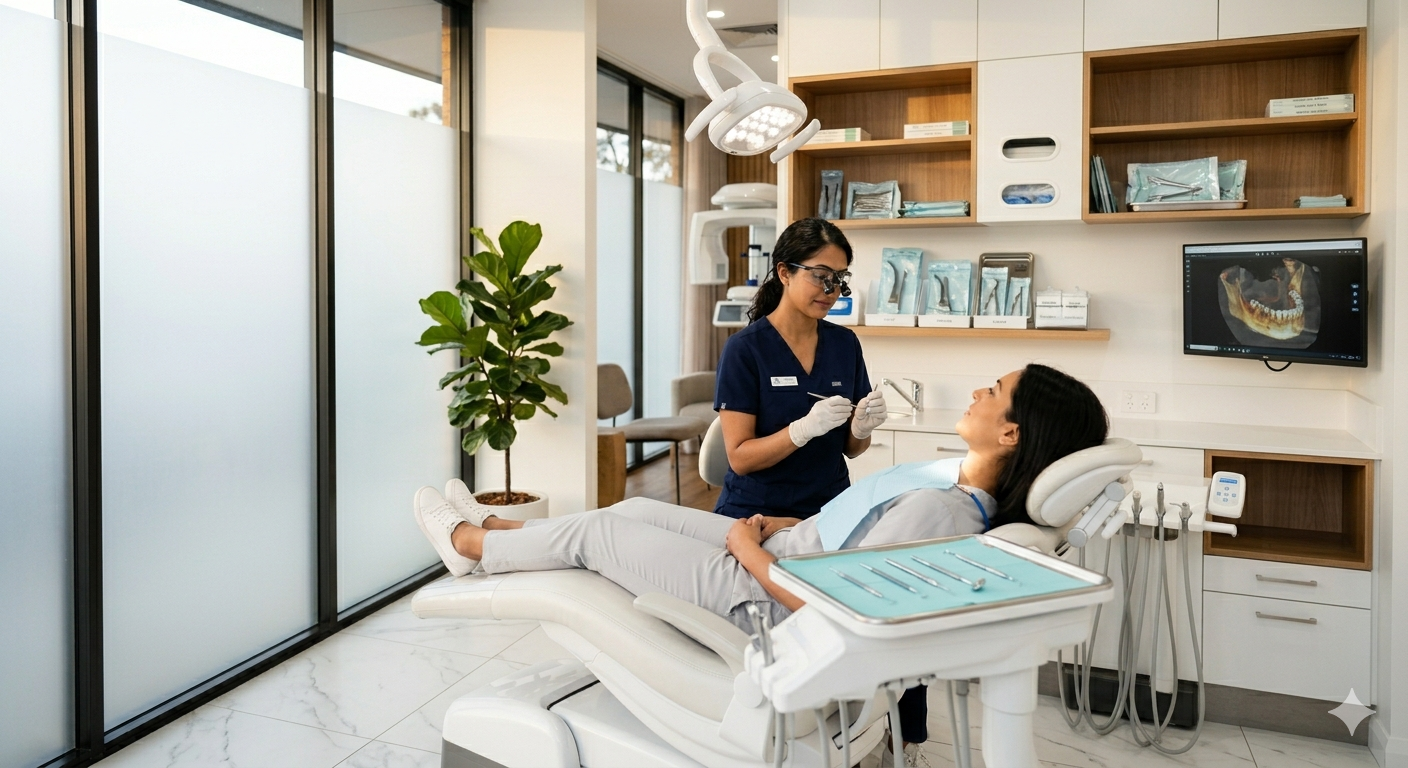
Dental implants in Tampa, Florida, offer a reliable solution for anyone looking to replace missing teeth with a natural, long-lasting option. They work by anchoring a titanium post directly into the jawbone, which supports a crown that looks and feels like a real tooth. This method not only restores your smile but also helps maintain jaw health and bone density.
Patients in Tampa can expect modern implant procedures that focus on comfort and efficiency. Many dental offices use advanced technology to make the process smoother and reduce recovery time. With proper care, dental implants can last for many years, making them a smart investment in oral health.
Whether someone has lost a single tooth or multiple teeth, implants can be tailored to fit their needs. Tampa residents are encouraged to consult with their dentist to explore their options and find a treatment plan that best suits their lifestyle and goals.
What Are Dental Implants?
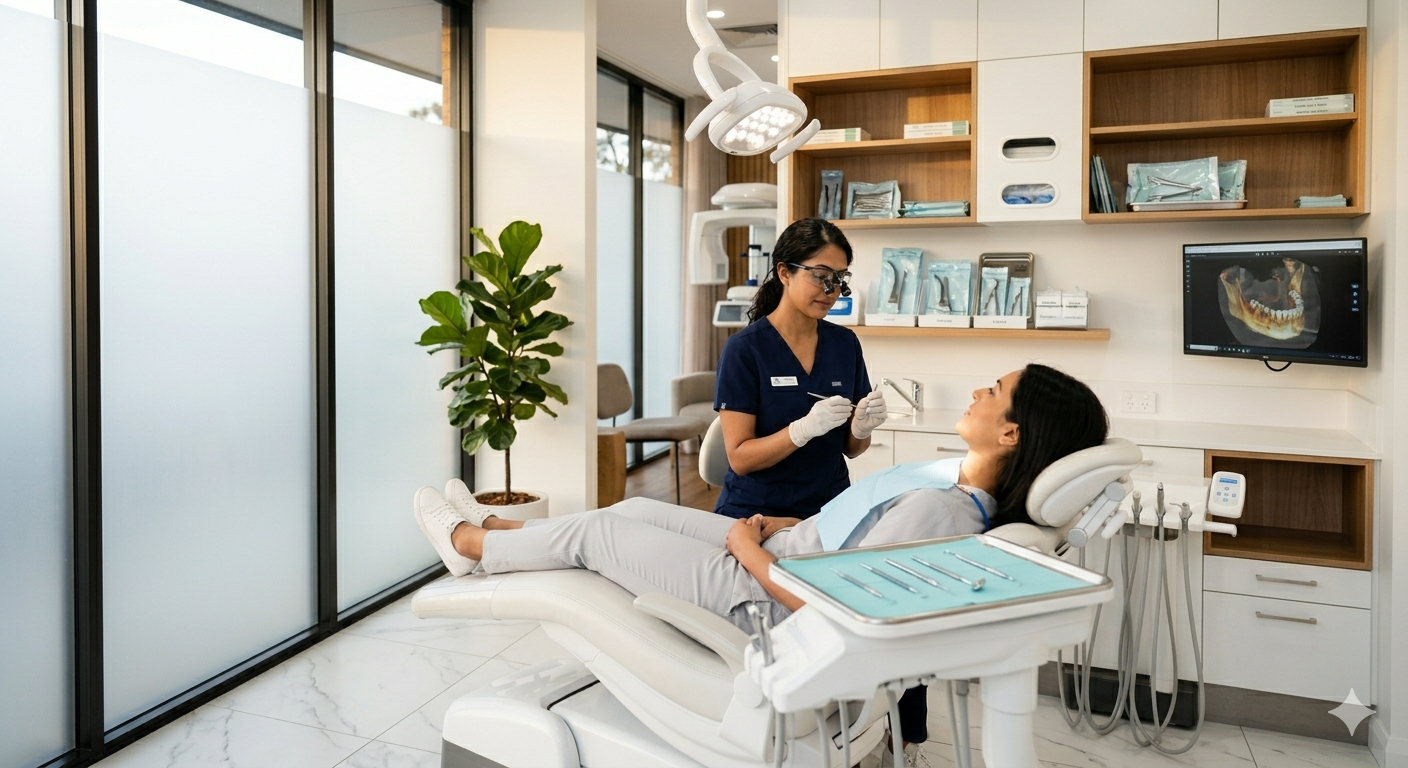
Dental implants are designed to replace missing teeth securely and naturally. They consist of several components that work together to restore both the look and function of real teeth. Understanding these basics helps patients make informed decisions about their dental care options.
How Dental Implants Work
A dental implant is typically a small titanium post surgically inserted into the jawbone. Over time, the bone fuses with the implant through a process called osseointegration, creating a sturdy foundation.
Once healed, a connector piece called an abutment is attached to the implant. This holds the replacement tooth, or crown, in place. The crown is custom-made to match the surrounding teeth in color and shape, providing a natural appearance.
This setup allows the implant to function like a natural tooth root, supporting chewing and speaking. It also prevents bone loss that often happens with missing teeth, helping maintain facial structure and oral health.
Types of Dental Implants
The most common type is the endosteal implant, which is placed directly into the jawbone. These are usually shaped like screws or cylinders and are ideal for most patients.
Another type is the subperiosteal implant, positioned on top of the jawbone but beneath the gums. This option suits individuals with insufficient bone height who may not qualify for endosteal implants without additional procedures.
Implants can also be classified by the final restoration:
- Single-Tooth Implants: Replace one missing tooth.
- Implant-Supported Bridges: Replace multiple teeth with fewer implants.
- Implant-Supported Dentures: Provide stability for removable dentures.
Each type offers specific benefits depending on the patient’s jawbone condition, number of missing teeth, and overall oral health.
Who Is a Good Candidate?
Good candidates have healthy gums and sufficient bone density to support implants. A thorough evaluation by a dental professional includes checking the jawbone’s condition through imaging.
Patients should be free of active gum disease or other oral infections. Chronic conditions like diabetes can affect healing but don’t necessarily rule out implants if well-managed.
Non-smokers usually experience better healing outcomes, though smokers might still be eligible with additional care and support. Age is less a factor than bone health and overall medical condition.
Ultimately, a consultation will determine if implants are the best solution, ensuring comfort, safety, and long-term success for each individual.
The Dental Implant Process in Tampa Florida
Dental implants in Tampa are tailored to each patient’s needs, making the journey smooth and predictable. From the first exam to the final placement, the process is designed to ensure comfort and success with clear, step-by-step care.
Initial Consultation
The first visit involves a thorough dental exam and discussion of the patient’s health history. The dentist evaluates jawbone strength and overall oral condition to determine if implants are suitable.
During this visit, patients can ask questions about costs, timelines, and what to expect. This consultation also covers any necessary pre-treatments, like tooth extractions or bone grafts, which might be needed before implant placement.
By understanding the patient’s lifestyle and concerns, the dentist creates a personalized plan that prioritizes comfort and long-term outcomes.
Planning and Imaging
Advanced imaging, such as 3D CT scans or digital X-rays, is used to examine the jawbone’s density and shape. These precise images help the dentist map the exact position for implants, avoiding nerves or sinuses.
This step ensures the implant will integrate well with the bone, making it strong and stable. The dentist also uses this data to design surgical guides that improve accuracy during the procedure.
Planning includes deciding on the type of implant, whether immediate or delayed placement, and scheduling any preparatory treatments.
Placing the Implant
The implant procedure typically involves placing a titanium screw into the jawbone under local anesthesia. This acts as an artificial root, providing a strong foundation for replacement teeth.
After placement, a healing period of several months allows the implant to fuse with the bone in a process called osseointegration. Patients usually receive temporary crowns or dentures during this time.
Gentle post-op care instructions ensure healing is comfortable and complication-free. Follow-up visits monitor progress before attaching the final crown or bridge for a natural look and function.
Benefits of Choosing Dental Implants
Dental implants offer specific advantages that go beyond replacing missing teeth. They provide a solution that closely mimics natural teeth while also promoting overall oral health and lasting strength.
Natural Look and Feel
Dental implants are designed to look and feel like natural teeth. The titanium post fuses with the jawbone, creating a stable base that supports a custom-made crown matching the color and shape of surrounding teeth. This means patients can smile confidently without worrying about noticeable gaps or slipping dentures.
Since implants integrate fully with the bone, they don’t cause discomfort like some removable options. They allow for normal chewing and speaking, restoring everyday functions without irritation or soreness.
Long-Term Durability
One key benefit of dental implants is their durability. With proper care, implants often last 20 years or more, making them a cost-effective option compared to repeated bridge or denture replacements.
The materials used—titanium posts and ceramic crowns—resist decay and wear. Implants also do not rely on neighboring teeth for support, reducing stress and damage to natural teeth. This longevity makes implants a reliable choice for patients looking for a permanent fix.
Support for Healthy Jawbone
Dental implants help maintain jawbone health by mimicking the root of a natural tooth. When a tooth is lost, bone loss can occur because the jaw isn’t stimulated properly.
Implants provide that needed stimulation, preventing the bone from shrinking and preserving facial structure. This improves chewing efficiency and helps avoid changes in appearance like sagging cheeks or a sunken jaw.
By maintaining bone density, implants contribute to long-term oral health beyond just replacing a tooth.
Dental Implant Recovery and Aftercare
Recovering from dental implant surgery involves careful attention to your mouth and overall health. Managing discomfort, protecting the surgical site, and following the dentist’s instructions closely all contribute to a smoother healing process and lasting results.
Post-Procedure Care Tips
Immediately after the implant surgery, the patient should expect some swelling and mild bleeding. Applying an ice pack to the cheek for 15-minute intervals during the first 24 hours helps control swelling. Avoid spitting or using straws, as these actions can dislodge the blood clot and delay healing.
Pain management typically involves over-the-counter pain relievers like ibuprofen, unless the dentist prescribes something stronger. Eating soft foods such as yogurt, mashed potatoes, and soup is recommended for at least a week to avoid irritating the implant site.
Good oral hygiene is crucial. The patient should rinse gently with a saltwater solution starting 24 hours after surgery, but avoid vigorous brushing near the implant for several days. Tobacco and alcohol should be minimized as they slow healing and increase infection risk.
What to Expect During Healing
Healing time varies but typically spans 3 to 6 months for the implant to fully integrate with the jawbone. During this period, the implant becomes securely anchored through a process called osseointegration.
Patients may notice sensitivity or slight discomfort during the first week, which fades gradually. Minor bruising or swelling is common and should subside within 7 to 10 days. If pain intensifies or there is persistent bleeding, contacting the dental office is important.
Follow-up appointments help the dental team monitor healing and ensure there are no complications. The patient should expect these checkups every few weeks early on, then less frequently as healing progresses.
Maintaining Your New Smile
After the implant has healed, maintaining it is similar to natural teeth care but with a few extra precautions. Brushing twice daily with a soft-bristled brush and flossing carefully around the implant keep bacteria at bay and prevent gum disease.
Regular dental checkups every six months are essential. Professionals may perform cleanings with special tools designed not to damage the implant surface.
Avoid hard or sticky foods that could stress or damage the implant crown. If the patient grinds their teeth, using a nightguard can prevent damage. Taking these steps ensures the implant lasting function and keeps the smile healthy and attractive for years.
Common Concerns About Dental Implants
Many people have questions about pain, cost, and how implants compare to traditional dentures or bridges. These concerns help patients make informed decisions and feel more confident about treatment options.
Will the Procedure Hurt?
The dental implant procedure is typically done under local anesthesia, so patients feel little to no pain during the surgery. Some mild discomfort or swelling afterward is common, but it usually fades within a few days. Dentists often recommend over-the-counter pain relievers to manage post-procedure soreness.
Modern techniques and sedation options have made the process gentler than in the past. Patients often report that the actual implant placement feels easier than expected. Good communication with the dental team helps address anxiety and pain concerns effectively.
How Much Do Dental Implants Cost?
The cost of dental implants varies widely depending on factors like the number of implants, the need for bone grafting, and the type of restoration used. In Tampa, Florida, the average price ranges from $3,000 to $5,000 per implant, including the crown.
Insurance coverage may help but often only partially, as implants are considered a major dental procedure. Many dental offices offer financing or payment plans to make treatment more affordable. Patients should discuss the total treatment cost, including consultation and follow-up visits, to avoid surprises.
Benefits Over Dentures and Bridges
Dental implants offer several advantages compared to dentures and bridges. Implants fuse directly with the jawbone, providing stability that prevents slipping and preserves bone health. This leads to a more natural feel and better chewing ability.
Unlike dentures, implants don’t require adhesives or removal for cleaning. Compared to bridges, implants don’t rely on neighboring teeth for support, preserving adjacent teeth from potential damage. For many, this results in improved speech, comfort, and confidence during daily activities.
Why Choose a Tampa Florida Implant Specialist?
Tampa dental implant specialists offer a blend of expertise, technology, and patient care tailored to meet individual needs. Their skill sets and clinic environments make the implant process smoother and more reliable.
Expertise of Local Dental Teams
Tampa implant specialists often have advanced training specific to dental implants, including surgical placement and restoration. Many have years of hands-on experience handling diverse cases from simple to complex. This expertise allows them to accurately evaluate bone density, recommend the best implant types, and predict healing times.
They work closely with patients to create personalized treatment plans that fit both health and lifestyle needs. Because they treat implant cases frequently, they can anticipate potential issues early, reducing complications and improving success rates.
Advanced Technology Available
Dental implant clinics in Tampa invest in modern diagnostic and surgical equipment. Common tools include 3D cone beam CT scans, which give detailed views of jawbone structure and nerves. This precision helps specialists place implants with minimal discomfort and maximum stability.
Computer-guided implant surgery is another innovation often used. It enables more accurate implant positioning, which speeds healing and reduces recovery time. Many practices also utilize digital impressions instead of traditional molds, making the process quicker and more comfortable.
Patient Comfort and Support
Tampa specialists prioritize making implant treatment as comfortable as possible. Many offer sedation options like nitrous oxide or oral sedatives to ease anxiety. Patient care extends beyond the procedure, with thorough post-op instructions and easy follow-up scheduling.
Dental teams in Tampa also understand the emotional impact implants can have, offering clear communication and honest answers. The goal is to build trust and confidence from the first consultation through the final restoration, helping patients feel supported every step of the way.
Taking the Next Steps Toward a Confident Smile
Choosing dental implants in Tampa, Florida, is a positive move toward restoring both function and confidence. Many patients feel nervous at first, but skilled dentists focus on comfort and clear communication throughout the process.
Before getting implants, a thorough examination helps the dentist understand each patient’s unique needs. This may include X-rays or 3D imaging to ensure the jawbone is healthy enough to support the implant. If bone loss is present, there are safe options like bone grafting to prepare the area.
The implant procedure itself is usually done in stages and under local anesthesia. Patients often describe the experience as straightforward and manageable. After placement, there’s a healing period, which allows the implant to fuse with the bone securely.
What to expect next:
| Step | Details |
|---|---|
| Initial consultation | Discuss health, goals, and exam |
| Imaging & planning | Detailed evaluation of bone and gums |
| Implant placement | Implant inserted gently into the jawbone |
| Healing phase | Several months for osseointegration |
| Final restoration | Attach crown, bridge, or denture |
Patients can maintain their new smile with regular check-ups and good oral hygiene. They can also ask their dentist about financing options or pain management to feel at ease.
Encourage questions and sharing concerns with the dentist to make informed choices. Taking these thoughtful steps is key to a healthy, confident smile that lasts.
Frequently Asked Questions
Dental implant treatment costs vary widely due to factors such as the type of implant, the need for additional procedures, and the dentist’s experience. Choosing the right provider and understanding payment options can make a big difference. Patient reviews offer insights into comfort and results, while medical conditions like autoimmune diseases require special attention.
How much do dental implants typically cost, and what factors can change the price?
Dental implants in Tampa typically cost between $3,000 and $5,000 per tooth. The price varies based on the implant type, whether bone grafting is needed, and the complexity of each case. Location and the dentist’s expertise also influence the final cost.
What should I look for when choosing an implant dentist to feel confident and comfortable?
Look for dentists with board certification and extensive experience specifically in implants. Reading patient reviews and checking before-and-after photos can build trust. A welcoming office atmosphere and clear explanations of each step help patients feel at ease.
Are there affordable payment plans or financing options to help make treatment fit my budget?
Many Tampa dental offices offer payment plans or partner with financing companies. These options allow spreading out cost over several months or years with low or no interest. It’s important to ask about all available plans during your consultation.
What do real patient reviews usually reveal about the experience and results at local implant practices?
Patients often mention personalized care and minimal discomfort as key positives. Reviews frequently praise natural-looking results and improved confidence. Some note the attentiveness of staff and ease of the healing process as important factors.
Can dental implants help correct bite problems or improve how my teeth come together?
Yes, dental implants can restore proper bite alignment by replacing missing teeth. They provide stable support, which helps distribute bite forces evenly. This can reduce wear on surrounding teeth and improve overall chewing function.
If I have an autoimmune condition, can I still be a candidate for dental implants, and what extra precautions are needed?
Patients with autoimmune conditions may still receive implants but require careful assessment. Doctors often coordinate with medical specialists to manage medications and monitor healing closely. Extra attention to oral hygiene and follow-up appointments is usually advised.

