
Dental emergencies rarely happen at a convenient time. A tooth may start throbbing during dinner, a crown may come loose before work, or a child may chip a tooth during a weekend game. When pain or injury happens suddenly, knowing what to do next can make the situation feel much less stressful.
For patients searching for an emergency dentist Lutz FL, the most important first step is to contact a dental professional as soon as possible. Quick guidance can help protect the tooth, reduce discomfort, and prevent a small problem from becoming more complicated.
This article is for general education only and is not a diagnosis or substitute for professional dental care. If you have severe pain, swelling, bleeding, trauma, or symptoms that concern you, contact a dentist or seek urgent medical care right away.
What Counts as a Dental Emergency?
A dental emergency is any problem involving the teeth, gums, jaw, or mouth that needs prompt attention to relieve pain, stop bleeding, treat infection, or save a tooth. Some dental issues can wait a few days for a routine appointment, but others should be evaluated as soon as possible.
Common dental emergencies include:
- Severe or worsening toothache
- Swelling in the gums, face, or jaw
- A knocked-out permanent tooth
- A cracked, broken, or chipped tooth
- A loose or lost dental crown or filling
- Bleeding that does not stop with gentle pressure
- Pain from a dental abscess or infection
- Injury to the lips, tongue, cheeks, or jaw
If a patient is unsure whether the situation is urgent, it is always reasonable to call a dental office and explain the symptoms. The team can help determine whether same-day care, next-day care, or emergency medical attention is the safest next step.
When to Call an Emergency Dentist in Lutz or Lutz, FL
Patients should contact an emergency dentist when pain is intense, symptoms are getting worse, or a tooth has been injured. Dental pain is the body’s way of saying something is not right. Even if discomfort comes and goes, the underlying cause may still need care.
Call Promptly for Severe Tooth Pain
A toothache can come from several causes, including deep decay, a cracked tooth, gum infection, bite trauma, or irritation around an old filling or crown. Mild sensitivity may not be an emergency, especially if it lasts only a few seconds. However, severe pain, throbbing, pain that wakes someone at night, or pain with swelling should be evaluated quickly.
Until a dentist can examine the tooth, patients can rinse gently with warm water and avoid chewing on that side. Over-the-counter pain relievers may help some patients, but they should be used only as directed on the label and avoided if a physician has advised against them.
Seek Fast Help for Swelling or Signs of Infection
Swelling in the gums, cheek, jaw, or face can be a sign of infection. A pimple-like bump on the gums, bad taste, fever, or increasing tenderness may also point to an abscess. Dental infections can spread, so they should not be ignored.
If swelling affects breathing, swallowing, vision, or the ability to open the mouth, the patient should seek emergency medical care immediately. These symptoms can signal a more serious infection that requires urgent attention.
Act Quickly if a Permanent Tooth Is Knocked Out
A knocked-out permanent tooth is one of the most time-sensitive dental emergencies. The sooner the tooth is handled correctly and evaluated by a dentist, the better the chance of preserving it.
If a permanent tooth comes out, the patient should pick it up by the crown, which is the white chewing part, not the root. If it is dirty, it can be gently rinsed with milk or saline if available. The tooth should not be scrubbed. If possible, it may be placed back into the socket gently. If that is not comfortable or safe, it can be stored in milk or held in the cheek only if the patient is old enough and alert enough not to swallow it.
Baby teeth should not be replanted because doing so can damage the developing permanent tooth. Parents should still call a dentist for guidance.
Common Dental Emergencies and What to Do at Home
At-home steps can help protect the mouth before the dental visit, but they are not a replacement for care. The goal is to reduce irritation, keep the area clean, and avoid making the injury worse.
Chipped or Broken Tooth
A small chip may feel sharp but may not hurt much. A deeper break can expose sensitive inner layers of the tooth and cause pain with air, temperature, or biting. Patients should save any broken pieces if possible, rinse with warm water, and avoid chewing on the damaged tooth.
If the edge is sharp, dental wax from a pharmacy may help protect the tongue or cheek temporarily. A dentist can evaluate whether the tooth needs smoothing, bonding, a crown, or another treatment option.
Lost Filling or Crown
When a filling or crown comes loose, the tooth underneath may feel sensitive or rough. Patients should keep the crown if they have it and bring it to the appointment. They should avoid sticky, hard, or chewy foods that could further damage the tooth.
Temporary dental cement from a pharmacy may help in some cases, but it should only be used according to package directions. Super glue or household adhesives should never be used in the mouth.
Cracked Tooth
Cracks are sometimes obvious, but not always. A cracked tooth may hurt when biting or releasing pressure, or it may feel sensitive to cold. Because cracks can worsen, patients should avoid chewing on the tooth and schedule an evaluation.
Modern dentistry offers several ways to restore cracked teeth depending on the location and depth of the crack. The dentist’s exam and imaging help determine the most appropriate option.
Bleeding or Soft Tissue Injury
Cuts to the lips, tongue, cheeks, or gums can bleed heavily because the mouth has a strong blood supply. Patients can rinse gently with water and apply clean gauze or a clean cloth with light pressure.
If bleeding does not slow after steady pressure, or if the injury is deep, large, or caused by significant trauma, urgent medical or dental care may be needed.
What to Expect During an Emergency Dental Visit
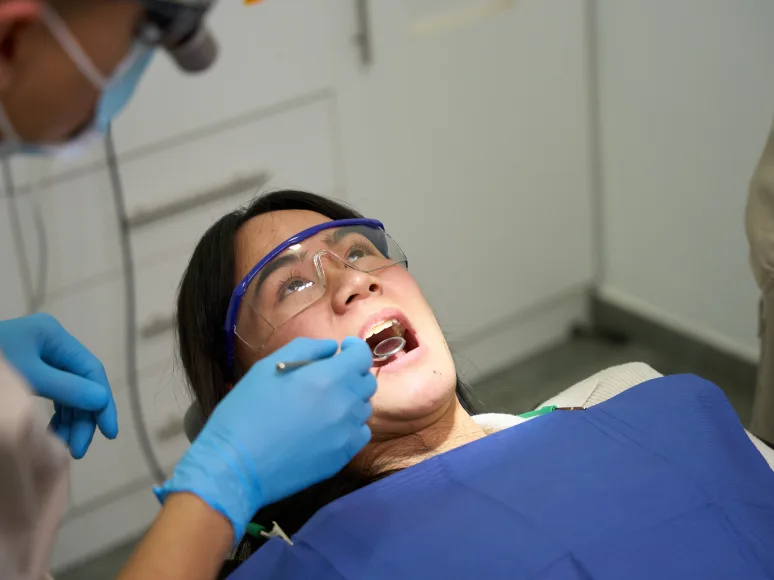
An emergency dental appointment is focused on comfort, safety, and finding the source of the problem. Patients in Lutz who visit Dr. Gary Nanavati’s dental team can expect the dentist to listen carefully, review symptoms, and examine the area with a calm, reassuring approach.
The visit may include dental X-rays, photos, bite testing, gum evaluation, or other diagnostic steps. These tools help the dentist understand whether the problem involves the tooth, nerve, bone, gums, bite, or an existing restoration.
After the exam, the dentist explains the findings and discusses treatment options. Depending on the situation, emergency care may focus on getting the patient out of pain first. In some cases, a definitive restoration or follow-up visit may be needed after the immediate issue is controlled.
Comfort Matters During Urgent Care
Many patients feel nervous during a dental emergency, especially when pain is involved. A caring dental team understands that emergencies can feel overwhelming. The goal is not only to treat the tooth, but also to help the patient feel informed and supported.
Patients should let the dental team know about anxiety, medical conditions, medications, allergies, or previous dental experiences. This information helps the dentist plan care as safely and comfortably as possible.
Emergency Dentist vs. Hospital Emergency Room
Patients sometimes wonder whether they should call a dentist or go to the emergency room. In many tooth-related emergencies, a dentist is the best professional to evaluate and treat the cause of the problem. Hospitals can help with serious symptoms, trauma, uncontrolled bleeding, or spreading infection, but they may not be able to repair a tooth, perform dental restorations, or treat the dental source directly.
As a general guide, patients should seek emergency medical care right away for:
- Difficulty breathing or swallowing
- Facial swelling that is rapidly worsening
- Fever with significant swelling or illness
- Jaw injury or suspected fracture
- Heavy bleeding that does not stop
- Head, neck, or facial trauma from an accident
For tooth pain, broken teeth, lost crowns, or localized dental swelling, calling an emergency dentist is usually the most direct path to dental care.
How to Reduce the Risk of Dental Emergencies
Not every emergency can be prevented, but many can be made less likely with consistent dental care and smart daily habits. Preventive dentistry helps identify small cracks, weakened fillings, cavities, and gum concerns before they turn into urgent problems.
Helpful habits include:
- Brushing twice daily with fluoride toothpaste
- Flossing or cleaning between teeth every day
- Keeping routine dental exams and cleanings
- Wearing a mouthguard for sports or teeth grinding
- Avoiding chewing ice, pens, hard candy, or nutshells
- Scheduling care early when sensitivity or discomfort begins
Patients with older crowns, large fillings, dental implants, bridges, or a history of cracked teeth may benefit from regular monitoring. A dentist can recommend a prevention plan based on each patient’s bite, oral health, and lifestyle.
Why Prompt Dental Care Matters
Waiting and hoping dental pain will go away can be tempting, especially when symptoms improve for a short time. However, pain relief does not always mean the problem has resolved. A tooth infection, crack, or failing restoration may continue to worsen quietly.
Prompt care can help relieve discomfort, protect natural teeth when possible, and give patients more treatment choices. It can also reduce the stress of guessing what is wrong. A clear exam and explanation can bring peace of mind, even before treatment begins.
FAQ About Emergency Dental Care in Lutz, FL
Is a toothache always a dental emergency?
Not every toothache is an emergency, but severe, persistent, or worsening pain should be evaluated promptly. Pain with swelling, fever, bad taste, or trouble biting may indicate a more serious issue that needs timely care.
What should someone do if a tooth gets knocked out?
For a knocked-out permanent tooth, handle it by the crown, avoid touching the root, and keep it moist in milk or back in the socket if safe. Call an emergency dentist immediately. Baby teeth should not be placed back into the socket, but a dentist should still be contacted.
Can a broken tooth wait until the next regular appointment?
It depends on the size of the break, pain level, and whether the tooth has sharp edges or exposed inner layers. A small chip may not require same-day care, but a painful, cracked, or deeply broken tooth should be examined as soon as possible.
Should antibiotics be used for dental pain?
Antibiotics are not needed for every dental problem and do not replace dental treatment. A dentist or physician should decide whether medication is appropriate based on the exam, symptoms, and medical history.
What if a crown or filling falls out?
The patient should save the crown or filling if possible, avoid chewing on that side, and call a dentist. The exposed tooth may be sensitive or vulnerable to further damage. Household glue should never be used to reattach dental work.
How quickly should someone see an emergency dentist?
Timing depends on the problem. A knocked-out permanent tooth, severe swelling, uncontrolled bleeding, or intense pain requires urgent attention. For less severe issues, the dental team can advise whether same-day or next-available care is appropriate.
A Reassuring Next Step for Dental Emergencies
Dental emergencies can feel scary, but patients do not have to handle them alone. Whether the problem is a sudden toothache, a cracked tooth, swelling, or a lost crown, reaching out quickly is the best way to get clear answers and compassionate care.
Patients looking for an emergency dentist in Lutz or Lutz, FL can contact Dr. Gary Nanavati’s office to describe their symptoms and ask about the next available appointment. The team can help guide the next steps, answer questions, and support patients in getting the care they need as comfortably as possible.

